Why Clips Work
The game is basically built out of short, shareable betrayals.
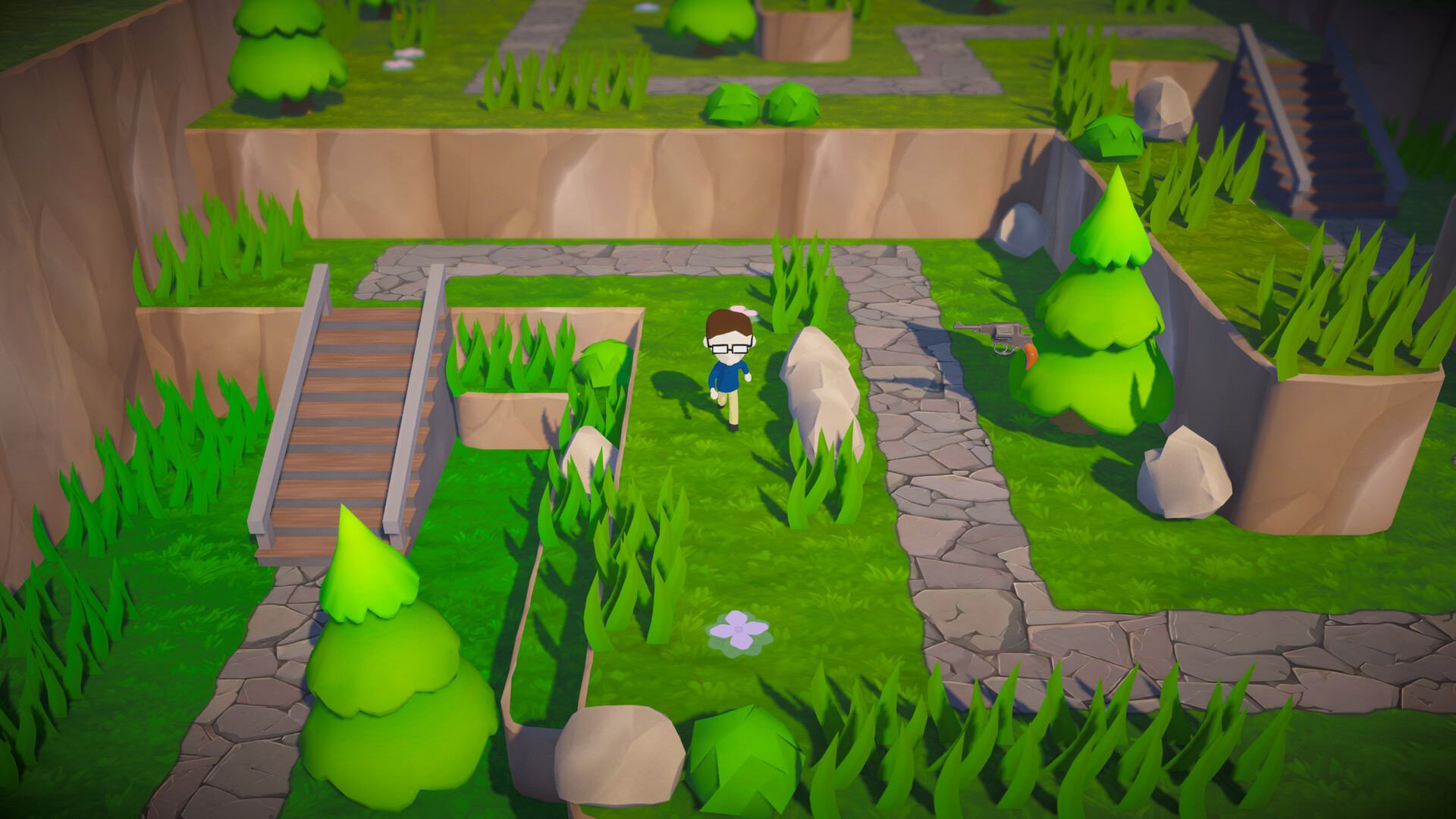
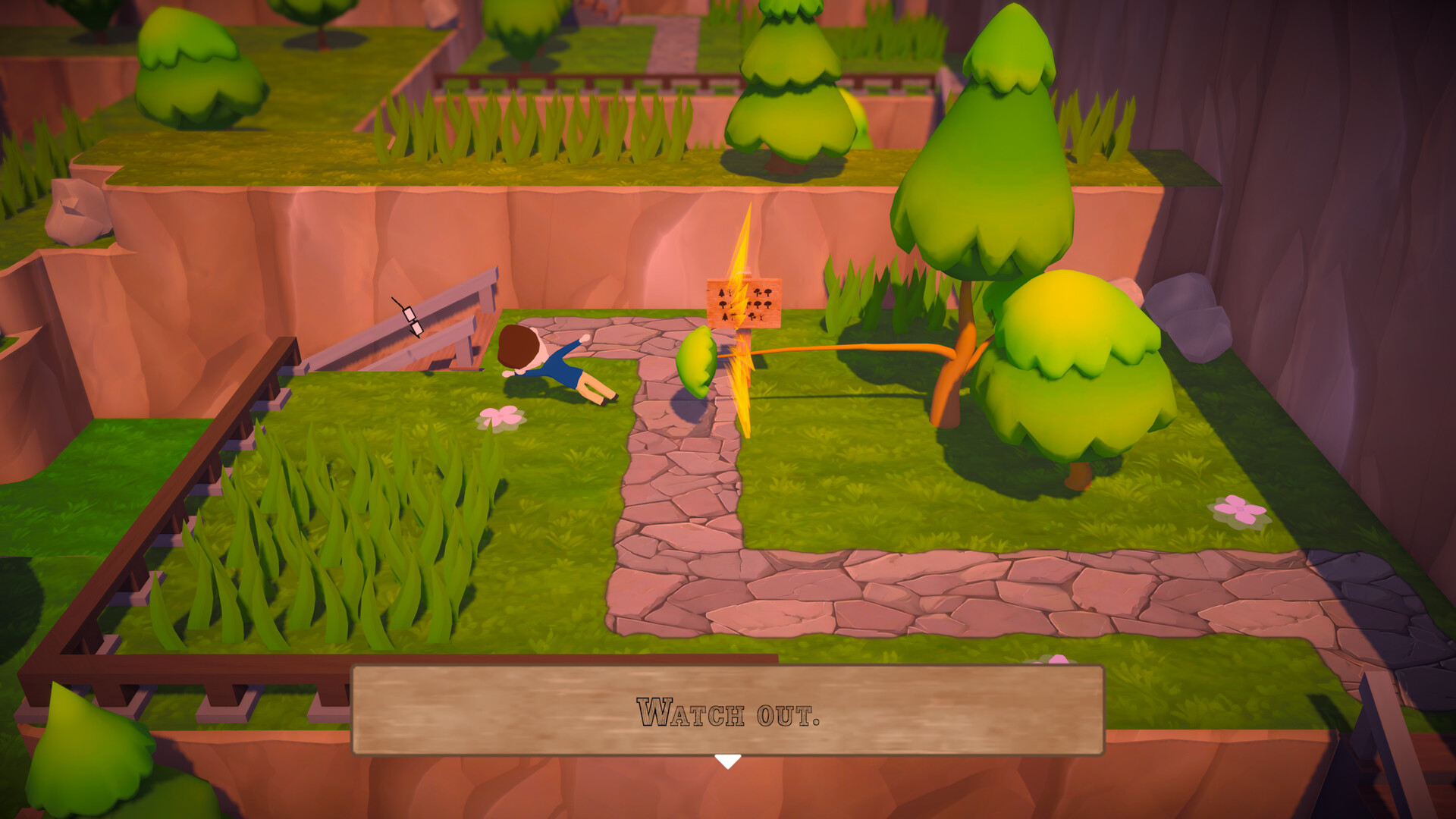
Viral game clips need clarity, speed, and payoff. Trees Hate You delivers all three. You see the path. You trust the path. The path lies. A tree falls, lunges, or fires at you from nowhere. The laugh lands instantly, even for someone who has never played the game before.
That difference matters. A lot of rage games are fun to play, but harder to explain in a five-second clip. Trees Hate You does not have that problem. Each trap carries its own setup and punchline, so creators do not need extra context to make the moment work.
The result is that every fail looks clip-ready by default. The demo almost feels like it was tuned to produce little stories that can travel on their own.
Creator Fuel
It gives streamers exactly what they need without leaning on pixel-perfect misery.
The game's big advantage over older rage staples is that it is not relying on ultra-precise movement alone. Trees Hate You puts more weight on prank logic, trap variety, and comedic timing. That makes it easier for a wide range of creators to get something funny out of it quickly.
A clip of someone losing to a fake sign, a cheap ambush, or a hat-stealing tree feels more social than a clip of someone missing the same jump fifteen times. The humor is broader, the reactions are louder, and the audience understands the bit faster.
That mix of readable chaos and low setup cost is exactly why the game fit so naturally into TikTok edits, YouTube reactions, Instagram reels, and X clips.
Watch
One reaction-heavy video explains the game's viral loop better than a dozen charts.
Trees Hate You spreads because it keeps producing moments that are fun to witness, not just fun to survive. Watch one more clip and you can see why people started passing it around so quickly.
The most important part of the story is that the game does not feel like a one-day meme. The concept is strong enough, the execution is polished enough, and the reaction cycle is consistent enough that people are not just sharing it once and moving on.
Trees Hate You hit that rare balance where the joke is easy to understand, but the demo still leaves players wanting more. That is why the full release conversation matters. People are not only farming clips. They are already asking what else this hateful forest might have in store.
In a crowded indie scene, that is hard to pull off. Trees Hate You managed it by turning frustration into a social object: something you want to show your friends, argue about, and throw at the next person who thinks they can keep their cool.
Veteran gamer and senior games editor who spends his time across indie demos, mainstream releases, and challenge games, then turns that playtime into useful guides and honest recommendations for other players.